In the HVAC industry, the contractor who responds first usually wins the job. Not the cheapest. Not the most experienced. The fastest.
Homeowners who need a furnace replaced or an AC unit installed are not comparison shopping the way they might for a kitchen remodel. Their system is down. They’re uncomfortable. They want someone reliable who can show up, give them a number, and get to work. If you can put an estimate in front of them within a few hours of their first call, you close at a dramatically higher rate than your competitors who take 48 hours to follow up.
So why are so many HVAC businesses still slow with estimates?
The Old Way Is Costing You Jobs
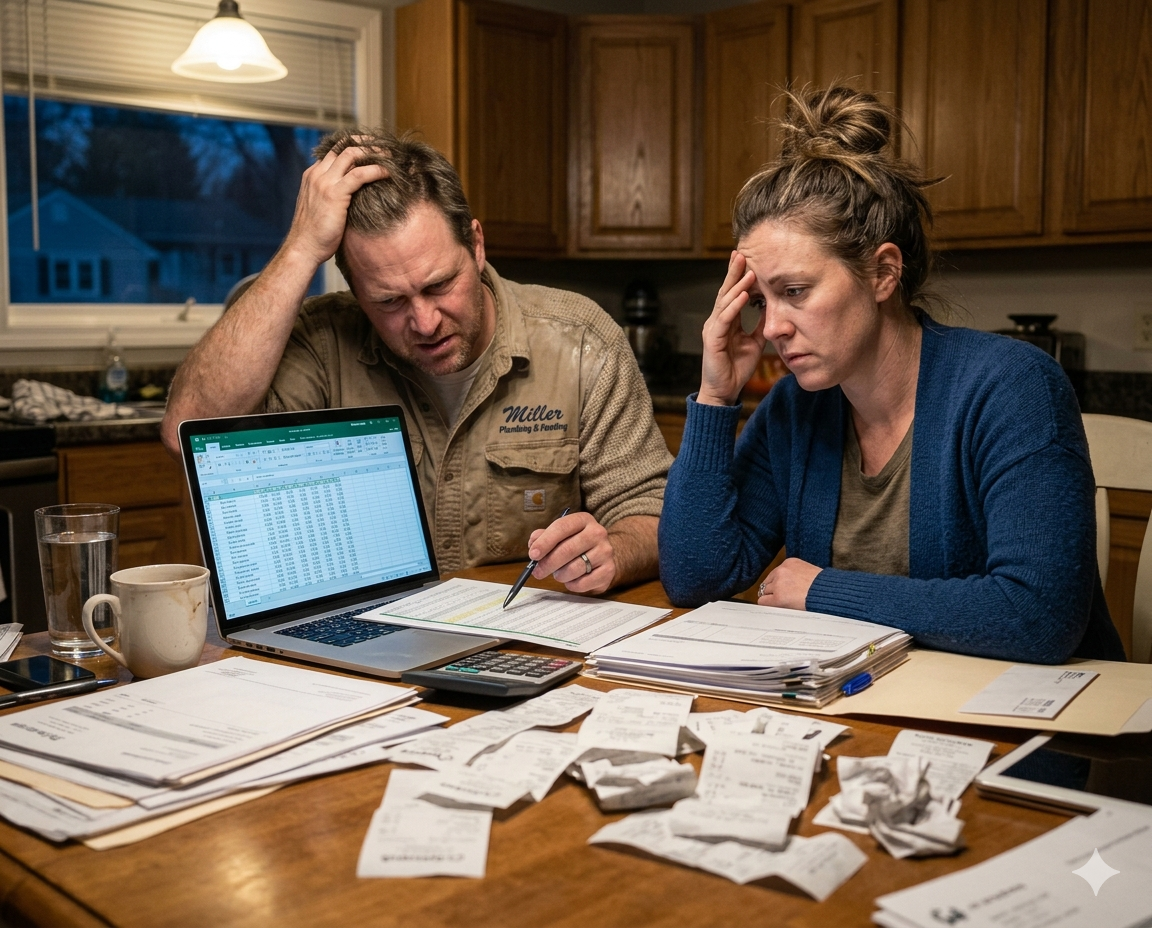
Most small HVAC companies still estimate the same way they did fifteen years ago: show up to the job, take notes on a clipboard or in your phone, drive back to the office, open a spreadsheet, build the estimate from scratch, then email a PDF. If you’re busy — and most HVAC contractors are — that process can take days.
Meanwhile, the homeowner got three other contractors out to look at the same job. Two of them already sent estimates. One of them already got the deposit.
That’s not a sales problem. It’s an operations problem.
What Fast Estimating Actually Looks Like
The HVAC contractors winning more jobs today are generating estimates on-site from a tablet or phone, pulling from a pre-built catalog of parts and labor rates they’ve already dialed in. The customer sees a professional, itemized estimate before the contractor even leaves the driveway. If the customer approves on the spot, the deposit gets collected right then via card.
That workflow sounds simple, but it requires a few things to be in place:
A line-item catalog with your real prices. Not ballpark numbers — actual costs plus your margins. Labor rates per hour by job type. Material costs for your most common parts. Once you build this out, generating an estimate is a matter of selecting items, adjusting quantities, and hitting send.
A customer record so you’re not starting from scratch. If you’ve been to the property before, your system should know it. Address, equipment type, service history. Walk in already knowing what’s there.
A follow-up that happens automatically. Send an estimate and hear nothing back? If your system automatically checks in after 48 hours — “Hi Sarah, just following up on the estimate we sent for your AC unit — let me know if you have any questions” — you’ve just reclaimed time and closed the loop without lifting a finger.
The Numbers Behind Faster Estimates
HVAC contractors who move from manual estimating to software-based on-site estimates typically report:
- 30–50% faster estimate turnaround — from days to hours
- Higher close rate — being first to respond correlates directly with winning the job
- More deposits collected on-site — when the estimate happens in person and approval is easy, payment follows immediately
- Fewer “I’ll think about it” responses — customers who wait to review an emailed PDF have more time to second-guess, price shop, or simply forget
Seasonal Demand Means Timing Is Everything
HVAC runs in bursts. The first heat wave of summer and the first cold snap of fall both generate a flood of calls in a short window. Every hour of delay during peak season is a job potentially lost. If your estimating process can’t keep up with demand volume, you’ll miss jobs during the exact period that makes or breaks your annual revenue.
Fast estimating during peak windows doesn’t just mean more revenue for that season — it means more customers in your base going into next year.
Where to Start
If you’re still estimating manually, the first step is building a proper catalog. Sit down with your most common job types — AC tune-ups, filter replacements, coil cleaning, full system replacements — and write out every line item with your actual numbers. That exercise alone will reveal where your margins are leaking.
From there, the goal is simple: put the estimate in the customer’s hands before you leave the property. The technology to do that exists, and it’s not complicated to use. The contractors who adopt it outperform the ones who don’t, and the gap widens every year.
Stop leaving jobs on the table because your competitors got there first. The HVAC business rewards speed, and speed is learnable.